PKD patient support in Nigeria
No one should navigate PKD alone.
Hope4PKD is developing coordinated support for people and families living with polycystic kidney disease in Nigeria. We connect early questions with verified help.
Understand PKDSee how the pathway works
Patient-centred
Verification-led
Privacy protected
Clear public reporting
Living with PKD
PKD affects diagnosis, treatment and daily life.
People need trustworthy information, coordinated care and sustained support while protecting their privacy and dignity.
01
Diagnosis can feel disorienting
People need clear, medically responsible information and a practical next step after a suspected or confirmed diagnosis.
02
Care pathways are fragmented
Appointments, tests, referrals and treatment decisions often sit across different providers without a patient navigator.
03
Costs are difficult to assess
Families may face significant diagnostic and treatment costs before they know what support is appropriate or available.
04
Trust requires verification
Patients, providers and supporters need a careful process that protects dignity while confirming each case and cost.
05
Long-term support matters
PKD is lifelong. People need follow-up, community and reliable information throughout care.
The Hope4PKD ecosystem
Six connected parts of patient support.
Each part covers a different need while keeping the patient at the centre.
The patient
Patient dignity, agency and informed consent guide every part of the service.
Patient navigation
A clear route through requests, onboarding, assessment and follow-up.
Medical verification
Qualified review before medical content or public cases are approved.
Financial access
Validated costs, controlled allocations and accountable disbursement records.
Community
Human support for patients and the people caring for them.
Awareness
Responsible public education without sensationalising patient stories.
Advocacy
Use verified programme evidence to argue for fairer access to PKD support.
How support works
A five-stage pathway with safe, clear next steps.
The initial request is intentionally short. Medical documents are never collected until a secure onboarding invitation is issued and the protected upload service is operational.
- 1
Request
Share the minimum information needed to understand how we may help.
- 2
Review
The team checks the request, confirms next steps and sends a secure invitation when appropriate.
- 3
Onboard
Invited patients complete consent, case details and private documents in a protected flow.
- 4
Assess
Authorised staff verify medical and cost information, then agree a support plan.
- 5
Support & follow-up
Progress is communicated safely through the case pathway, with follow-up after support.
Why Hope4PKD exists
A family’s experience became Hope4PKD.
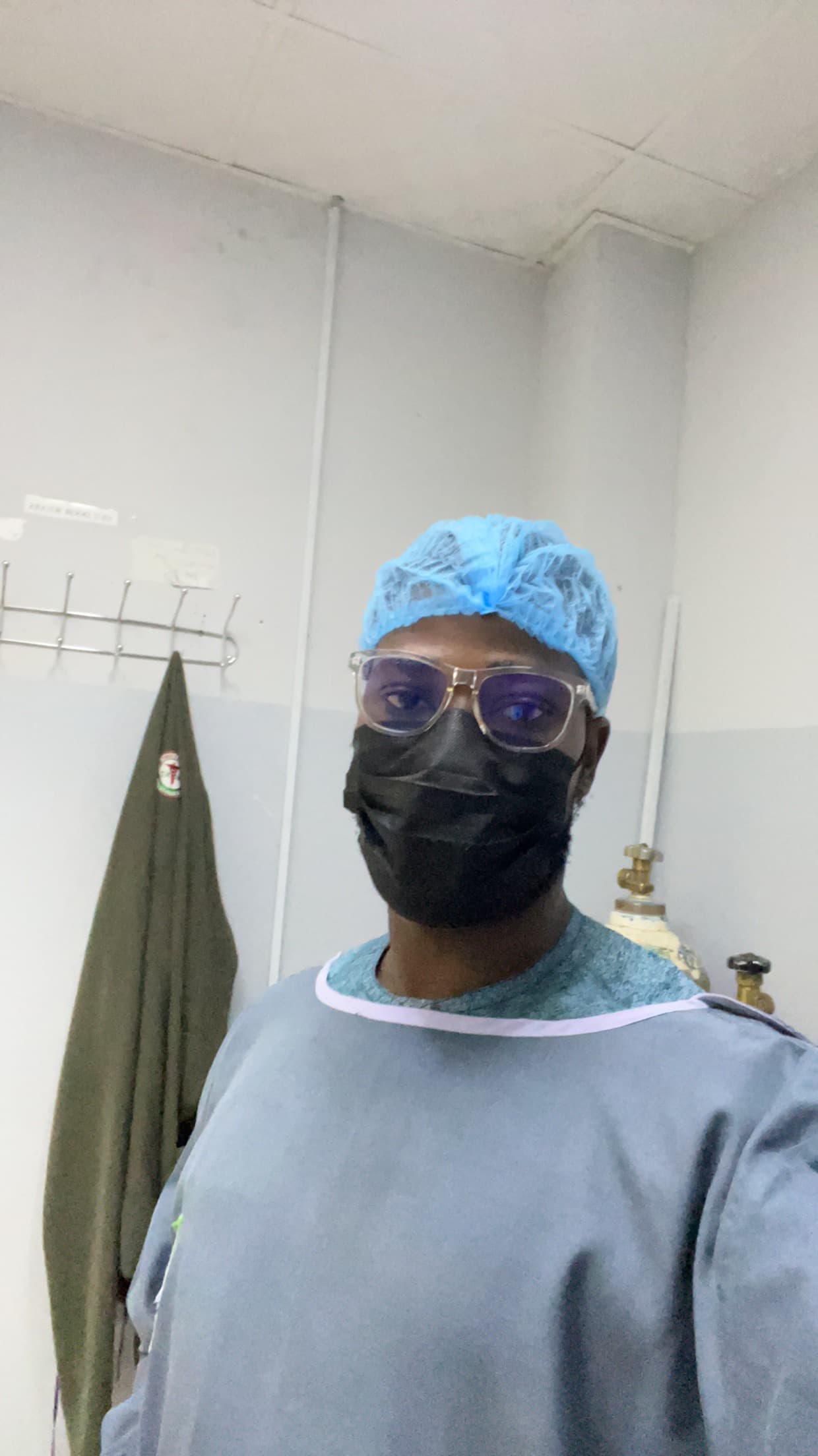
Hope4PKD grew from Onyekachi Nwakaihe’s experience caring for his mother, Margaret Toyin Nwakaihe, and his brother, John Ifeanyi Nwakaihe.
“No one should navigate PKD alone.”
Ways we may help
Four support pathways, one coordinated entry point.
Available support depends on eligibility, operational capacity and case assessment. Submitting a request does not guarantee financial assistance.
Patient navigation
Help moving from a first request to a clearly explained next step.
Verified support planning
A structured review of the case and appropriate support options after onboarding.
Knowledge and guidance
Medically reviewed information as the Knowledge Centre completes its review process.
Community connection
Connections to patient, caregiver and family support for people navigating PKD.
Impact & accountability
Reports will separate results from targets.
Every published figure will include its source and reporting period.
Results to date
Pilot reporting state
Hope4PKD will publish programme totals only after data owners approve the methodology, reporting period and evidence.
Year-one operating targets
Put the controls into operation
Launch a reviewed patient-intake and case-management process.
Publish only verified campaigns with current consent and approved costs.
Record allocations and provider disbursements separately.
Publish a clearly sourced first programme report.
Where things stand
Each programme goes live only after its safeguards are complete.
The current status below contains no placeholder activity or invented results.
Verified campaigns
Every public campaign must pass verification before publication.
Campaigns publish only after verification, valid consent, cost review and programme and finance approval.
No verified campaigns are public yet
PKD Knowledge Centre
Medical information should be reviewed, dated and traceable.
Every clinical article will name its author and qualified reviewer, cite sources, include a disclaimer and show its next review date.
The Knowledge Centre is in medical review
Partnerships
Confirmed partnerships need a clear role and scope.
Confirmed organisations will be listed only after the relationship, permission to display their identity and partnership scope are documented.
Our partnership network is being formalised